


When it comes to treating pediatric brain tumors, one of the biggest hurdles isn’t just finding the right drug. It’s getting that drug exactly where it needs to go.
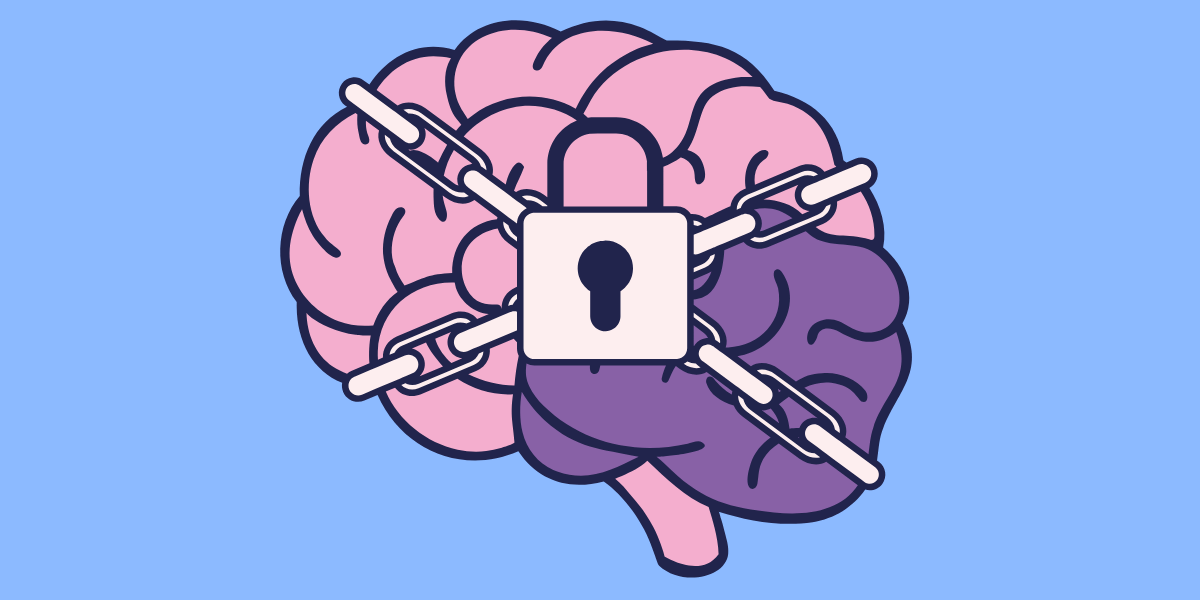
For decades, doctors have battled a built-in biological roadblock called the blood-brain barrier. This barrier is designed to protect our brains from harmful toxins and viruses in the bloodstream. Unfortunately, it does its job so well that it also blocks life-saving chemotherapy drugs from reaching brain tumors.
But a recent, groundbreaking study out of Columbia University has successfully tested a new way to sneak past this barrier in children with sound waves.
How Focused Ultrasound Works
In late 2025, researchers at Columbia University published the results of a first-of-its-kind clinical trial for children battling diffuse midline glioma (DMG). They used a technique called focused ultrasound to temporarily open the blood-brain barrier.
Here is how it works:
- Doctors introduce tiny, safe gas bubbles into the bloodstream.
- They use targeted sound waves directed at the tumor site.
- The sound waves cause those tiny bubbles to vibrate, expand, and contract.
- This vibration gently pries open microscopic pathways in the blood-brain barrier, allowing chemotherapy to slip through to the tumor.
Once the drug is delivered, the barrier naturally closes up. In all three patients in the initial trial, ultrasound successfully opened the barrier, allowing chemotherapy to reach the tumors.
Designed with Kids in Mind
“Our hope is that the technology will improve survival for children with brain cancer.”
— Stergios Zacharoulis, study leader, associate professor of pediatrics at Columbia University’s Vagelos College of Physicians and Surgeons, and a pediatric oncologist at NewYork-Presbyterian Morgan Stanley Children’s Hospital of Children’s Hospital of New York
Medical procedures are incredibly stressful for children, and staying perfectly still inside a loud, claustrophobic MRI tube is a major challenge.
What makes Columbia’s approach so special is that they engineered the treatment to happen outside of the MRI machine.
Instead of being isolated in a scanner, children simply rest their heads on a massage table. They can read a book, watch a movie on a tablet, and have their parents right there in the room with them. The procedure is entirely painless, non-invasive, and only takes a few minutes.
What’s Next?
While this initial trial was small and primarily designed to prove that the technology is safe for children, it has essentially kicked the door open for the future of pediatric brain cancer treatment.
Because the researchers proved the method is safe, Columbia has already launched a follow-up trial using focused ultrasound alongside etoposide, a chemotherapy drug known to actively fight brain cancer cells. By getting higher doses of medication directly into the brain while keeping systemic side effects low, researchers hope this technology will soon translate into longer survival rates for children facing aggressive tumors.
At IronMatt, we know progress can feel agonizingly slow. But milestones like this remind us that brilliant minds are working tirelessly to change the landscape of pediatric brain cancer. Step by step, the barriers are coming down.
Join us in the fight against pediatric brain tumors. Donate today.
Every dollar donated goes to our dual mission of family assistance and advanced research.